What Network 09561? Have you ever looked at a phone number and wondered what those initial digits actually mean? If you’ve encountered the 09561 network code, you’re not alone in seeking clarity. This identifier plays a crucial role in how your mobile device connects, communicates, and gets billed yet most users have no idea it exists.
Understanding network codes like 09561 isn’t just technical trivia. It directly impacts your call costs, service quality, and ability to switch carriers without losing your number. Whether you’re troubleshooting connection issues or trying to optimize your mobile plan, knowing how this network identifier functions gives you practical control over your telecommunications experience.
Let’s break down everything you need to know about the 09561 network code, from its technical purpose to real-world implications for your wallet and connectivity.
What Is the 09561 Network Code?
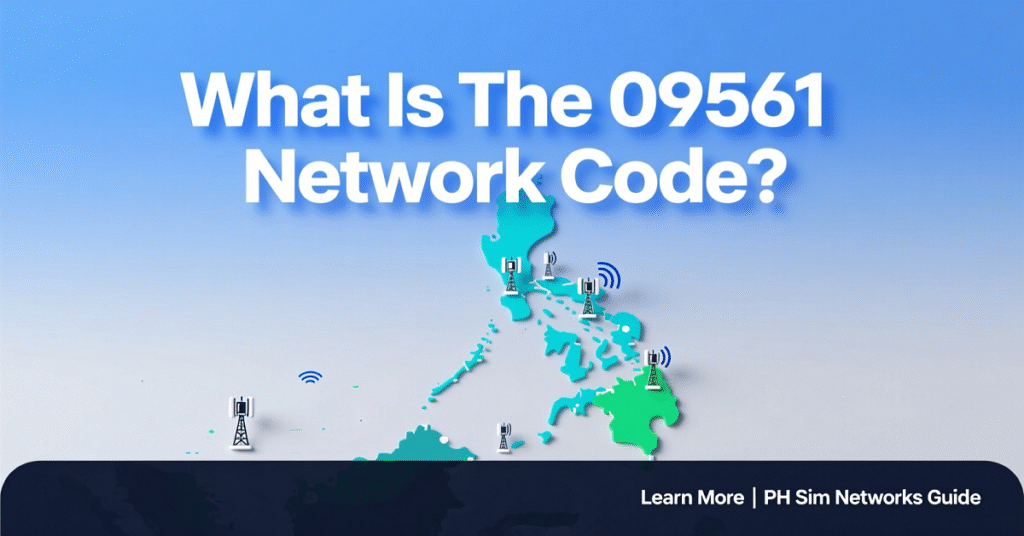
Think of network codes as postal codes for your phone calls. Just as a ZIP code tells the postal service where to deliver your mail, the 09561 code tells telecommunications infrastructure which carrier network should handle your communications.
At its core, a network code is a numerical identifier assigned to specific mobile operators by telecommunications regulatory authorities. These codes form part of the complete phone number structure and serve multiple critical functions:
Primary Functions:
- Call routing: Directing your voice calls to the correct network infrastructure
- SMS delivery: Ensuring text messages reach their intended destination
- Billing triggers: Determining which rate structure applies to your usage
- Network identification: Distinguishing between different mobile carriers
When you dial a number starting with 09561, mobile switching centers immediately recognize which telecom operator owns that number range. This split-second identification process happens invisibly but determines everything from connection quality to the price you’ll pay.
How 09561 Differs From Other Number Components
Your complete phone number contains several distinct parts, each serving a specific purpose:
| Number Component | Purpose | Example |
|---|---|---|
| Country Code | International identification | +1 (US), +44 (UK) |
| Area/Region Code | Geographic location | 212 (New York), 020 (London) |
| Network Code | Carrier identification | 09561 |
| Subscriber Number | Individual line identifier | Final 4-7 digits |
The 09561 network code sits within this hierarchy as the carrier identifier. Unlike country codes that rarely change or area codes tied to geography, network codes can shift when you port your number to a different carrier—though the visible number stays the same in the updated database systems.
Geographic Distribution and Carrier Assignment
Network codes don’t exist in a vacuum. They’re systematically assigned by national telecommunications regulatory bodies based on regional needs and carrier applications.
How Network Codes Get Allocated
Telecommunications authorities in each country maintain registries of available number ranges. When a mobile carrier needs additional capacity, they request specific code blocks. The 09561 range typically indicates:
- A specific mobile network operator within a defined geographic region
- Virtual network operators (MVNOs) leasing infrastructure from larger carriers
- Regional subsidiaries of national telecommunications companies
The actual carrier behind 09561 varies by country. In some markets, this code range might belong to a major national operator. In others, it could be assigned to a regional provider or mobile virtual network operator that piggybacks on existing infrastructure.
Identifying Your Carrier Through Network Codes
Want to know which operator uses the 09561 code in your region? Here’s how to find out:
Method 1: Check Your Phone Settings
- Android: Settings > About Phone > SIM Status > Network
- iPhone: Settings > General > About > Carrier
Method 2: Use Online Lookup Tools Several telecommunications databases allow you to input a number prefix and identify the associated carrier. These tools tap into publicly available regulatory data that maps network codes to operators.
Method 3: Contact Your Regulatory Authority National telecom regulators maintain official registries. A quick search for “[Your Country] telecommunications authority number lookup” typically yields official resources.
Understanding which carrier operates your network code matters for several practical reasons we’ll explore next.
How 09561 Impacts Your Daily Mobile Experience
Network codes work behind the scenes, but their influence touches nearly every aspect of your mobile service. Let’s examine the tangible ways this identifier affects your experience.
Call Routing and Connection Quality
When you initiate a call, your phone transmits the network code along with the complete number. Mobile switching centers use this information to establish the most efficient path to your destination.
The routing process unfolds in milliseconds:
- Your device sends the call request including the 09561 identifier
- Your carrier’s switching center recognizes whether the destination is on-network or external
- For on-network calls, routing stays within the same infrastructure
- For off-network calls, a handoff occurs through interconnection agreements
- The destination network receives and completes the connection
This process directly impacts connection speed. On-network calls (both parties using 09561 numbers with the same carrier) typically connect faster because they don’t require inter-carrier coordination. You’ll notice this as shorter “ringing” delays before the call connects.
The Real Cost of Network Codes: On-Net vs. Off-Net Pricing
Here’s where network codes hit your wallet. Most mobile plans price calls differently based on whether you’re calling someone on the same network or a different carrier.
Typical Pricing Structure:
- On-net calls (09561 to another 09561 on same carrier): Often included in plan allowances or offered at discounted rates
- Off-net calls (09561 to different network code): Standard or premium per-minute charges
- Cross-network SMS: Usually standardized, but some carriers still apply differential pricing
Let’s look at a practical example. Imagine you have an unlimited calling plan with a carrier using the 09561 code range:
Scenario 1: You call your colleague who also uses the same 09561 carrier
- Cost: Covered by your unlimited plan
- Connection quality: Excellent, as call stays within network infrastructure
Scenario 2: You call a client using a different network code
- Cost: May incur per-minute charges depending on plan terms
- Connection quality: Good, but subject to interconnection agreement quality
Over a month, if 40% of your calls go to other networks at $0.15 per minute and you spend 200 minutes on such calls, that’s an extra $30 beyond your base plan. Understanding your call patterns relative to network codes can reveal significant savings opportunities.
Number Portability: Taking Your Number When You Switch
One of the most empowering regulations in modern telecommunications is number portability. You can switch carriers without losing your phone number—but what happens to network codes in this process?
How Portability Works Behind the Scenes
When you port a number originally assigned with the 09561 code to a new carrier, several technical changes occur:
The Visible Reality: Your phone number looks identical to everyone who calls you. Friends, family, and businesses see the same digits they’ve always dialed.
The Invisible Database Update: Telecommunications databases get updated to route calls to your new carrier. The 09561 code remains part of the number format, but routing tables now point to your new network operator’s infrastructure.
This distinction matters because it affects things like network coverage and billing. Your number maintains its 09561 prefix, but the actual network infrastructure providing your service has changed.
Step-by-Step Guide to Porting Your Number
Switching carriers while keeping your number involves a straightforward but specific process:
1. Verify Eligibility
- Ensure your account is in good standing (no outstanding balances)
- Check that you’re not under a contract lock-in period
- Confirm your new carrier supports porting from your current network
2. Gather Required Information
- Your current phone number (including 09561 prefix)
- Account number with your current carrier
- PIN or password for your account
- Valid identification
3. Initiate the Port Request Contact your new carrier (not your old one) to start the process. They’ll submit the port request on your behalf. Never cancel your old service before the port completes—this can result in losing your number entirely.
4. Wait for Processing Most ports complete within 1-7 business days, though timelines vary by country and carrier. During this period:
- Keep your old SIM card active
- Don’t make account changes with your old carrier
- Maintain sufficient credit/balance on prepaid accounts
5. Confirm Successful Transfer You’ll know the port is complete when your old SIM stops working and your new one activates. Test both incoming and outgoing calls to confirm full functionality.
Common Porting Pitfalls to Avoid
Even straightforward ports can hit snags. Here’s what to watch for:
Billing Overlap: You might receive a final bill from your old carrier plus prorated charges for the month. Budget for one month of double billing.
Service Gaps: Poor coordination between carriers occasionally creates brief service interruptions. Request the port to complete during off-hours when you can manage without phone access.
Incorrect Information: A single mistyped digit in your account number can delay porting by days. Triple-check all information before submitting.
Contract Penalties: Early termination fees can be substantial. Calculate whether savings with your new carrier offset any penalties you’ll incur.
International Roaming and Network Code Recognition
When you travel internationally, your 09561 network code travels with you—and plays a crucial role in how your phone connects abroad.
How Your Phone Finds Networks Overseas
The moment your plane lands in a foreign country, your device begins scanning for available networks. Here’s what happens:
Your phone broadcasts its home network information, including the 09561 identifier. Foreign carriers with roaming agreements recognize your home network code and allow connection. The local network communicates with your home carrier to authorize service and track usage for billing.
This recognition process determines:
- Whether you can connect at all (some carriers lack roaming agreements)
- Which local networks you can access (agreements are carrier-specific)
- What rates you’ll pay (negotiated between your carrier and local operators)
Managing Roaming Costs with Network Knowledge
Understanding roaming mechanics helps you make smarter decisions when traveling. Before your trip:
Research Your Carrier’s International Partners Most carriers publish lists of countries where they have roaming agreements. If your 09561 carrier doesn’t list your destination, you’ll need alternatives like:
- International roaming add-ons (pre-purchased data/call packages)
- Local SIM cards purchased at your destination
- WiFi-dependent communication apps
Check Network Selection Settings Your phone can automatically select networks or allow manual selection. Manual selection lets you:
- Choose networks with better service agreements
- Avoid expensive “premium” roaming partners
- Force connection to WiFi when cellular is too costly
Monitor Real-Time Usage Many phones now display network information including whether you’re roaming. Seeing your home 09561 code with a foreign network name confirms you’re on roaming—and potentially incurring charges.
Regional Roaming Variations
Roaming costs and connectivity vary dramatically by region:
European Union: Regulations mandate “roam like at home” policies within EU countries. If your 09561 carrier operates in the EU, you likely pay domestic rates across member states.
Asia-Pacific: Roaming agreements are less standardized. Some carriers offer regional packages, while others charge premium rates country-by-country.
Americas: The US, Canada, and Mexico increasingly treat each other as domestic markets for major carriers, though smaller operators may not participate.
Africa and Middle East: Roaming can be expensive due to fewer carrier partnerships. Pre-purchased international packages often provide better value.
Advanced Technologies Reshaping Network Codes
Telecommunications technology evolves rapidly, and these changes affect how network codes like 09561 function.
VoLTE: High-Definition Calling Through Data Networks
Voice over LTE (VoLTE) represents a fundamental shift in how calls work. Traditional voice calls used circuit-switched networks separate from data. VoLTE routes everything through 4G/5G data networks.
Impact on Network Codes: Your 09561 identifier remains relevant for billing and routing, but the underlying technology improves:
- Faster call setup (connection in under 2 seconds)
- HD voice quality with wider frequency range
- Simultaneous voice and high-speed data
Not all networks support VoLTE uniformly. If your 09561 carrier has deployed VoLTE but your friend’s network hasn’t, calls between you may fall back to older technology with reduced quality.
5G Networks and Code Evolution
As 5G deployment accelerates, network architecture becomes more flexible. Technologies like network slicing allow carriers to create virtual networks within physical infrastructure.
The 09561 code will continue identifying your carrier, but 5G enables:
- Multiple quality tiers within the same network code
- Dynamic resource allocation based on usage patterns
- Lower latency for critical communications
eSIM Technology and Virtual Network Codes
Traditional SIM cards physically tie your device to a network. eSIM (embedded SIM) technology digitizes this connection, allowing:
- Multiple network profiles on one device
- Instant switching between carriers
- Travel-friendly temporary network access
With eSIM, your phone might display the 09561 code for your primary carrier while simultaneously maintaining a connection to a secondary network for data. This flexibility doesn’t eliminate network codes but makes them more fluid and user-controlled.
Practical Network Management Tips
Armed with knowledge about the 09561 network code, here’s how to optimize your mobile experience.
Checking Your Network Code
On Android:
- Open Settings
- Navigate to About Phone
- Tap SIM Status or Network
- Look for “Network” or “Operator” information
On iPhone:
- Open Settings
- Select General
- Tap About
- Find “Carrier” or “Network” listing
This information helps when troubleshooting or confirming your carrier identity after porting.
Optimizing Your Plan Based on Network Knowledge
Review your call logs for the past three months and categorize calls:
High On-Network Usage: If 70%+ of your calls go to the same carrier, you’re maximizing value from on-network benefits. Your current plan likely serves you well.
High Off-Network Usage: If you frequently call other networks, consider:
- Plans with inclusive off-network minutes
- Carriers with extensive network agreements
- Switching to the network most of your contacts use
Mixed Usage: Balanced calling patterns benefit most from flexible plans with generous off-network allowances.
Troubleshooting Connection Issues
When experiencing service problems, network code information helps diagnose issues:
Symptom: Calls to specific numbers fail consistently Check: Are those numbers on different networks? This suggests inter-carrier routing issues rather than your device.
Symptom: Service degrades in specific locations Check: Your 09561 carrier’s coverage map. The issue likely stems from infrastructure gaps, not your phone.
Symptom: Data works but calls fail Check: VoLTE settings. Inconsistent VoLTE support between networks can cause voice-specific issues.
When contacting support, mentioning your network code (09561) and whether issues occur on-network or off-network helps technicians diagnose problems faster.
Common Myths About Network Codes Debunked

Misconceptions about network codes persist. Let’s clear up the most common ones.
Myth 1: “Network Codes Determine Signal Strength”
Reality: Signal strength depends on infrastructure—tower density, spectrum allocation, and geographic obstacles. The 09561 code identifies your carrier but doesn’t directly affect signal quality. Two carriers might share the same code format while offering vastly different coverage.
Myth 2: “Changing Carriers Means Losing Your Network Code”
Reality: Number portability preserves your visible number, including the 09561 prefix. What changes is the routing database—calls get directed to your new carrier’s infrastructure while your number stays intact.
Myth 3: “All Numbers Starting With 09561 Come From the Same Carrier”
Reality: Network code allocation varies by country and region. In some markets, multiple carriers might use similar code ranges, or regulatory reallocations can reassign codes over time. The only reliable way to identify a carrier is checking current regulatory databases.
Myth 4: “Network Codes Affect Data Speed”
Reality: Data performance depends on technology (4G vs 5G), network congestion, and device capability—not the network code itself. Your 09561 identifier plays no role in determining whether you get 5 Mbps or 500 Mbps download speeds.
Frequently Asked Questions About What Network 09561?
Can I identify any phone number’s carrier using the 09561 code?
Generally yes, within the same country. The network code prefix indicates carrier assignment at the time of original allocation. However, number portability complicates this—a number might retain its 09561 prefix while now belonging to a different carrier. Online lookup tools that access porting databases provide the most current carrier information.
Does the 09561 code affect my phone’s compatibility with different networks?
No. Phone compatibility depends on hardware specifications—supported frequency bands, technology standards (GSM vs CDMA), and SIM lock status. The network code is a number assignment, not a technical limitation. An unlocked phone can move between networks regardless of the code prefix.
Will my 09561 code change if I upgrade my phone?
Your phone number (including the 09561 code) stays with your SIM card or eSIM profile, not your physical device. Upgrading phones while keeping the same SIM means keeping the same number and network code. Only switching carriers through porting or getting a new number entirely changes your code assignment.
How do virtual network operators (MVNOs) use network codes?
MVNOs lease infrastructure from major carriers but often receive their own network code allocations from regulators. An MVNO might operate using codes in the 09561 range while actually routing all traffic through a larger carrier’s towers. For users, this is transparent—service quality depends on the host network’s infrastructure.
Are there privacy concerns with network codes?
Network codes themselves reveal only carrier assignment, not personal information. However, they form part of the caller ID information transmitted with calls. In regions with caller ID systems, your 09561 prefix helps recipients identify your carrier (though not your specific identity without additional information).
Taking Control of Your Mobile Experience
Understanding the 09561 network code transforms it from mysterious technical jargon into practical knowledge you can use. Whether you’re optimizing costs by choosing plans that match your call patterns, navigating number portability during a carrier switch, or managing international roaming, this identifier impacts your daily mobile experience in measurable ways.
The telecommunications landscape continues evolving with technologies like 5G, eSIM, and advanced VoLTE services. Network codes adapt alongside these changes while maintaining their core function—efficiently routing your communications to the right destination at the right price.
Take a moment today to check your own network code through your phone settings. Review your recent call patterns and identify how many contacts share your network. This simple exercise often reveals optimization opportunities that can reduce your monthly mobile expenses while improving service quality.
As mobile technology advances, the fundamentals remain: understanding how your carrier identifies and routes your communications gives you informed control over an essential daily tool. The 09561 network code is more than numbers—it’s the key to unlocking smarter mobile decisions.

Jennifer Smith is a passionate technology enthusiast with a deep focus on the digital landscape of the Philippines. With years of experience in the telecommunications and networking industry, she brings expert knowledge and practical insights to her writing. As the driving force behind Sim GuidesPh, Jennifer is dedicated to helping readers understand the complexities of the Philippine network landscape. Whether it’s exploring mobile networks, internet service providers, or the latest technological trends, Jennifer’s detailed guides aim to keep Filipinos informed and connected in an ever-changing digital world.