
Online Food Trends Jalbiteblog highlight the ever-evolving nature of our culinary landscape, shaped by changing consumer preferences, health consciousness, and the innovative practices of chefs and home cooks alike. In this comprehensive guide, we explore the latest food trends highlighted by JustALittleBite, diving into what’s cooking in kitchens around the world. From plant-based eating to zero-waste practices, these trends are not just fads; they’re reflections of how our relationship with food is evolving.
Plant-Based Foods A Mainstream Choice

1.1 Evolution of Plant-Based Eating
Once reserved for vegetarians and vegans, plant-based eating is now being embraced by a diverse range of consumers. According to a survey by The Good Food Institute, plant-based food sales reached $7 billion in 2020, a significant increase indicating that more people are incorporating plant-based meals into their diets, even while still enjoying meat.
1.2 Nutritional Benefits
Plant-based diets are associated with numerous health benefits, including:
- Lower risk of chronic diseases: Research published in the Journal of the American Heart Association shows that plant-based diets can reduce the risk of heart disease marked by lower cholesterol levels and healthier blood pressure.
- High fiber content: Foods like lentils and chickpeas are rich in fiber that promotes digestion and helps maintain healthy blood sugar levels.
- Rich in essential nutrients: Foods such as jackfruit and quinoa are not only nutritious but also versatile.
1.3 Innovative Products
Fast-food chains are catching on to this trend. For instance, Burger King’s Impossible Whopper and Dunkin’s Beyond Sausage Sandwich are prominent examples of how plant-based options are becoming mainstream. These products make plant-based eating accessible and enjoyable for a wider audience.
1.4 Real-Life Examples and Recipes
For those looking to incorporate more plant-based meals, here are a couple of easy recipes:
- Chickpea Salad Sandwich:
- 1 can of chickpeas (drained and mashed)
- 2 tablespoons of vegan mayo
- Chopped celery and onions
- Salt and pepper to taste
- Serve on whole-grain bread or lettuce wraps.
- Jackfruit Tacos:
- 1 can of young green jackfruit (drained and shredded)
- 1 tablespoon taco seasoning
- Cook in a pan with diced onions until heated through, then serve with corn tortillas and your favorite toppings.
The Rise of Zero-Waste Cooking
2.1 Understanding Zero-Waste Principles
The zero-waste movement focuses on reducing food waste by using every part of the ingredient. According to the Food Waste Reduction Toolkit developed by the USDA, 30-40% of the food supply in the U.S. is wasted. This not only harms the environment but also contributes to significant economic losses.
2.2 Creative Uses for Food Scraps
Many people are discovering innovative ways to utilize food scraps:
- Vegetable Broths: Instead of discarding the ends of onions, carrot tops, or celery leaves, keep them in a bag in the freezer to make a rich vegetable broth.
- Potato Skin Chips: Instead of throwing away potato skins, toss them with olive oil and bake them for a nutritious snack.
- Herb Stems: Use herb stems in pestos or stocks to maximize flavor and minimize waste.
2.3 Restaurant Initiatives
Many restaurants are adopting sustainable practices. For example, Wasted Food, a restaurant in NYC, serves dishes using food that would otherwise go to waste. This not only reduces waste but also promotes a culture of sustainability in the culinary world.
2.4 Resources and Tips
Here are some practical tips for embracing zero-waste cooking at home:
- Plan Meals: Create a meal plan before shopping. This helps reduce impulse buys and ensures that ingredients are used.
- Composting: Start a compost bin for scraps that can’t be used in cooking. This enriches the soil and reduces landfill contributions.
Blending Global Flavors with Local Favorites
3.1 The Rise of Fusion Cuisine
Fusion cuisine is thriving as chefs and home cooks alike blend flavors from different cultures. This trend isn’t just about mixing a couple of ingredients; it’s about creating a harmonious dish that respects the origins of each component.
3.2 Popular Combinations
Here are some popular examples of fusion dishes that are gaining traction:
- Korean BBQ Tacos: Marinated bulgogi with kimchi in a corn tortilla.
- Miso Butter Pasta: A fusion of Japanese miso flavor with Italian pasta.
- Sushi Burritos: Large sushi rolls wrapped like burritos, filled with a variety of ingredients.
3.3 DIY Global Dishes
Encourage experimentation in the kitchen with these easy recipes:
- Korean BBQ Tacos:
- Ingredients: Corn tortillas, bulgogi beef, kimchi, cilantro.
- Instructions: Prepare bulgogi beef, warm the tortillas, and assemble with kimchi and cilantro.
- Miso Butter Pasta:
- Ingredients: Spaghetti, miso paste, butter, garlic.
- Instructions: Cook pasta, combine melted butter with miso and garlic, toss with pasta.
High-Protein Breakfasts Setting the Tone for the Day
4.1 Shifting Breakfast Norms
The trend of high-protein breakfasts is reshaping how we think about morning meals. With many people realizing the benefits of protein for sustained energy, options like Greek yogurt bowls and protein pancakes are becoming increasingly popular.
4.2 Nutritional Insights
A study from the journal Obesity suggests that consuming a high-protein breakfast helps in weight management by reducing calorie intake throughout the day.
4.3 Best Products and Recipe Ideas
Here are some delicious high-protein breakfast ideas:
- Greek Yogurt Parfait:
- Layer Greek yogurt with berries and granola for a nutritious start.
- Protein Pancakes:
- Combine banana, eggs, and protein powder for a quick pancake mix.
Functional Drinks Beyond Thirst Quenching
5.1 Emerging Beverage Trends
Drinks are now more than just thirst quenchers—consumers want beverages that offer additional health benefits. According to Grand View Research, the global functional beverages market is expected to reach $208 billion by 2025.
5.2 Highlight Specific Functional Ingredients
Popular functional ingredients include:
- Probiotics: Found in drinks like kombucha and kefir, they promote gut health.
- Adaptogens: Ingredients like ashwagandha and reishi mushrooms support stress relief and overall wellness.
- Collagen: Often included in smoothies and coffee, collagen promotes skin health.
5.3 Beverage Recipes
Here’s how to make some common functional drinks at home:
- Kombucha: Brew with tea, sugar, and a SCOBY for a refreshing probiotic drink.
- Matcha Latte: Whisk together matcha powder, hot water, and your choice of milk for an energy boost.
Meat-Based Snacks A Complementary Trend
6.1 The Demand for Protein-Rich Snacks
High-protein, meat-based snacks are still a go-to for many, especially those following keto or paleo diets. The demand for jerky and protein bars remains strong, with the meat snacks market exceeding $8 billion in the U.S., according to Market Research Future.
6.2 Snack Innovations
Popular products include:
- Beef Jerky: Now available in various flavors, such as teriyaki and spicy.
- Protein Chips: Chips made from meat or plant-based protein offer a satisfying crunch.
6.3 Balancing Plant-Based and Meat Options
Offering a variety of snack options caters to diverse dietary preferences. For example, a mixed platter with both meat-based and plant-based snacks can appeal to both meat lovers and vegetarians.
Adults Ordering from Kids’ Menus – An Unexpected Trend
7.1 Analyzing the Trend
Many adults are opting for smaller portions from kids’ menus. This trend makes sense, as single portions can prevent overeating and offer simpler meal options.
7.2 Impact on Restaurants
Restaurants are noticing this shift and adjusting their menus accordingly, providing more variety in smaller portions that appeal to both children and adults.
7.3 Healthier Kids’ Menu Options
To cater to this trend, restaurants should consider including healthier options on kids’ menus, such as whole grain grilled cheese or vegetable-packed mini quesadillas.
Technology’s Role in Modern Cooking
8.1 Innovations Shaping the Culinary Landscape
Technology is making cooking more accessible. According to a report from the National Restaurant Association, 80% of consumers believe technology enhances their dining experience.
8.2 Smart Kitchen Devices
Popular gadgets like air fryers and multi-cookers are changing the way people cook by saving time and enhancing convenience. These gadgets help beginners and seasoned cooks alike prepare delicious meals with less effort.
8.3 The Future of Cooking
Advancements in AI and meal kit delivery services are likely to shape future culinary trends. Companies like HelloFresh and Blue Apron are already making meal preparation easier and more convenient.
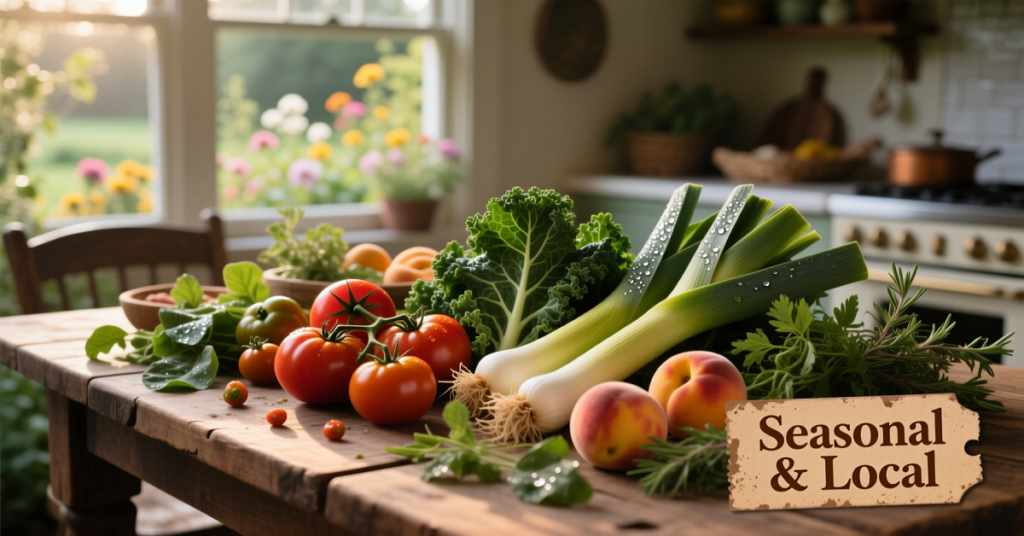
Emphasis on Seasonal and Local Ingredients
9.1 The Local Food Movement
As consumers become more health-conscious, there is a growing preference for seasonal and locally sourced ingredients. This trend is fostering connections between growers and eaters.
9.2 Environmental and Health Benefits
Buying local can significantly reduce the carbon footprint associated with transportation. Studies show that fresh, seasonal produce is often more nutritious and flavorful.
9.3 Supporting Local Farmers
Support local markets by participating in community-supported agriculture (CSA) programs. This not only provides fresh produce but also helps local economies.
Conclusion: Online Food Trends Jalbiteblog
These food trends highlight a remarkable evolution in our culinary landscape. By understanding and embracing these trends—be it through incorporating plant-based meals, practicing zero-waste cooking, or exploring global flavors—consumers are making informed choices that reflect their values and preferences.
Each trend presents an invitation to experiment in the kitchen, demanding creativity and a willingness to adapt. As we continue to explore new trends in food, it remains exciting to witness how they shape our dining experiences and influence our health. Let’s keep the conversation going—what recent food trend have you embraced in your own kitchen?
Additional Resources
- Recipe Websites
- Food Sustainability Organizations
- Books on Culinary Trends and Practices

Jennifer Smith is a passionate technology enthusiast with a deep focus on the digital landscape of the Philippines. With years of experience in the telecommunications and networking industry, she brings expert knowledge and practical insights to her writing. As the driving force behind Sim GuidesPh, Jennifer is dedicated to helping readers understand the complexities of the Philippine network landscape. Whether it’s exploring mobile networks, internet service providers, or the latest technological trends, Jennifer’s detailed guides aim to keep Filipinos informed and connected in an ever-changing digital world.